
SECTION 01
In the AI Localization Era, You Can Ship an English Version from Day One
Localizing an indie product used to mean either hiring a professional translator or writing the English yourself. Now that AI translation quality has reached a practical level, that cost has dropped dramatically. It's no longer something you need to plan extensively for.
That said, spreading across too many languages backfires. Focusing on English alone is the realistic choice.
The reason is straightforward: every additional language multiplies your QA workload and fragments your support load. If you're running everything solo, English alone is more than enough to start.
If you're going to do it, don't do it halfway. Translating only your store listing into English while the app itself displays nothing but Japanese — that makes international users bounce immediately. Store copy, in-app UI, screenshots — all of it needs to be in English together, or it's pointless.
On the other hand, some products simply won't grow even with English localization. Here's how to judge:
- Products that depend on Japanese culture or domestic regulations (tax filing tools, apps for Japanese schools, etc.)
- Products where Japanese-language content itself is the core value (services centered on Japanese text outside of a Japanese-learning context)
- Products where the domestic niche market alone generates sufficient revenue
If your product fits any of these, it's fine to deprioritize English localization. Recognizing that you can win in Japanese alone isn't giving up — it's a rational decision.
SECTION 02
Solving the Multilingual Screenshot Problem with Tooling
One surprisingly time-consuming part of localization is preparing App Store / Google Play store screenshots.
You need screenshots for each device size and each language, and doing this manually eats up enormous amounts of time. Having struggled with this myself, I built a tool to efficiently generate multilingual store screenshots.
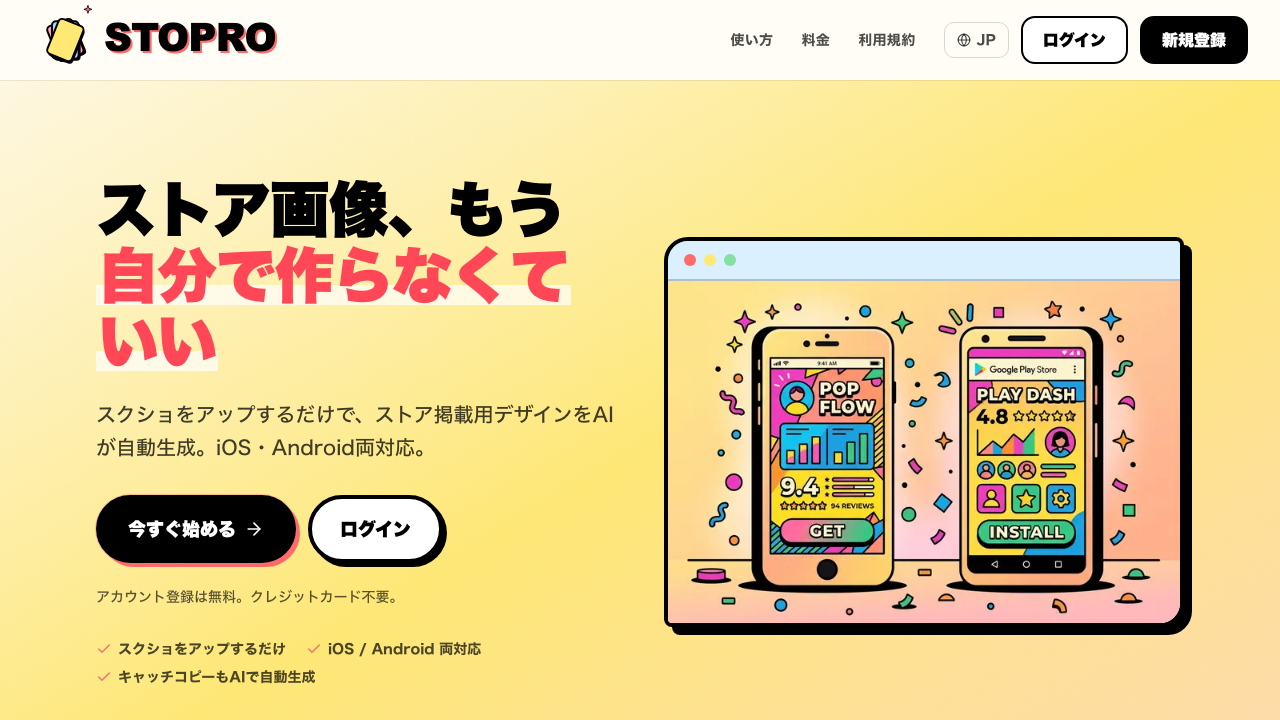
The tool is called STOPRO. You just upload your screenshots and it batch-generates polished, PR-ready screenshots in multiple languages.
Recurring tasks are better off automated. When you commit to "if we're doing English, we're doing everything," having peripheral tooling like this in place makes a quiet but significant difference.
SECTION 03
Realistic Customer Acquisition Channels for International Launches
When launching an indie product in Japan, posting on social media and writing blog posts are the standard playbook. But overseas, if you release silently, it simply won't reach anyone. You need to actively enter English-speaking communities yourself.
One of the most effective launchpads for going international is Product Hunt. It's a product discovery platform for developers, and there are documented cases of products acquiring massive user bases within a short window after posting.
I listed my app PocketCorder there and achieved #2 Product of the Day, which led directly to purchases from international users.
However, Product Hunt won't boost your product just because you posted it. There are key factors that determine success or failure:
- Pre-launch preparation (quality of English copy, screenshots, and demo videos)
- Posting timing (choosing the right day and time zone)
- First-touch funnel design (ensuring interested users can try your product immediately)
Beyond Product Hunt, the combination of niche tool × English SEO is a space where you can compete without ads. While keyword competition in English is fierce, a tool focused on a specific problem can maintain top search rankings through early entry and consistent updates.
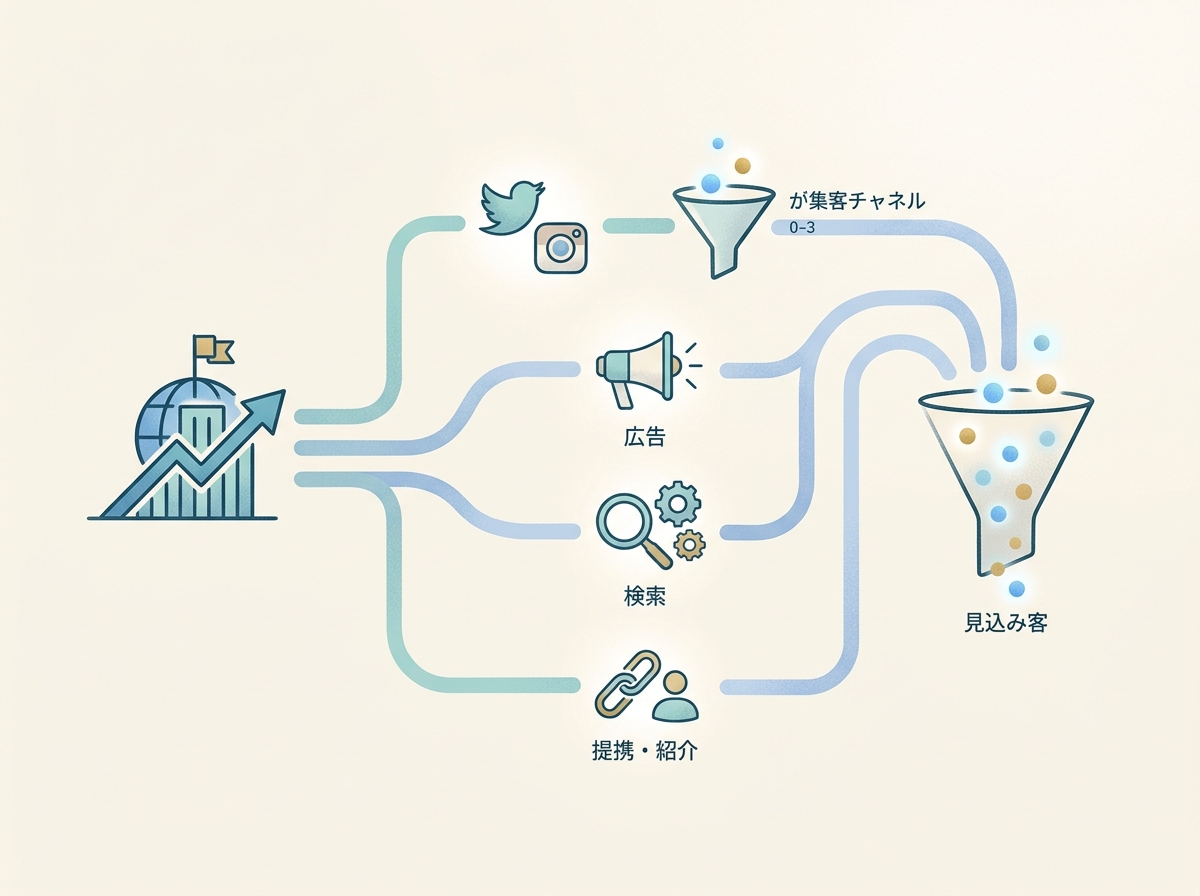
The key takeaway is to treat going global as a marketing problem, not a translation problem. Whether your English is perfect matters far less than designing which channels will reach which users.
SECTION 04
Rising Costs of International Support and the Reality Line for Solo Operation
What definitely increases with English localization is the burden of handling inquiries. Emails and review responses from international users come in English.
AI translation tools significantly reduce the reading and writing burden, but confirming nuances and providing technical explanations still take time.
Here's the realistic threshold for sustaining solo operation:
- Routine inquiries can be handled with templates and AI translation
- Bug reports and technical questions — requesting screenshots helps lower the language barrier
- Set a cap on support hours and consider scaling back English support if you exceed it
Payment handling also requires attention. If you use in-app purchases through the app stores, payment processing and tax obligations are handled by the store, keeping the indie developer's burden minimal.
On the other hand, if you choose web-based payments, VAT and sales tax obligations arise in certain regions, and compliance costs spike immediately.
A design mistake in your sales channel can be fatal. Using web payments for in-app content can get your app rejected during store review, so you need to decide your payment route clearly from the start.
Another easily overlooked factor is pricing. Overseas markets have different software purchasing cultures than Japan. It's worth reconsidering your free tier design and price points to align with English-speaking users' expectations.
SECTION 05
Break-Even Thinking: Ship Small, Pull Back If It Fails
When thinking about the break-even point of English localization, you don't need complex calculations. The benchmark is simple: does the increase in traffic and revenue justify the time spent on localization?
A consistent pattern across my projects has been moving quickly to the next tactic when something doesn't work. The same thinking applies to international expansion — once you decide to do it, localize everything and ship. Then observe the response and decide your next move.
Here are practical benchmarks for the decision point:
- Did installs from international markets increase after localization?
- Did adding an English UI change retention rates?
- Did reviews or inquiries from international users start appearing?
If you see clear movement on these metrics, proceed to the next step: strengthening your full landing page and support infrastructure. If there's no movement, pull back. It's that simple.
Test within a cost range you can sustain, observe the response, then decide. In indie development, this speed of pivoting is your greatest weapon.
The decision to go all-in on localization or retreat should be based on data, not emotion. Not getting dragged down by sunk cost thinking like "but I already localized it" is especially critical when you're running everything alone.
SECTION 06
If You're Eyeing an Exit, Having International Users Matters
If you have an exit (acquisition) in mind as a goal for your indie product, having international users carries significance beyond just revenue. Buyers look at revenue scale and growth potential, and international expansion is easily evaluated as a compelling growth story.
Speaking from experience selling a service through M&A, domestic-only revenue and revenue that includes international users create very different valuation optics.
Even with the same monthly recurring revenue, having already expanded internationally makes buyers think "there's still room to grow."
If you're considering a sale, the following points tend to boost your valuation:
- Having organic traffic from international markets
- Having English reviews and proven usage by international users
- Having multilingual support that is technically well-structured (designed so additional languages can be added easily)
Of course, not every indie project needs to aim for an exit. But keeping it as an option by acquiring even a small number of international users expands your range of future decisions.
SECTION 07
English Localization Is Experience Design, Not Translation
If you approach English localization as "swapping Japanese text for English text," you're likely to fail. Different cultures have different expectations for UI, different methods of building trust, and different tonal preferences for CTAs. Just changing the language still leaves an uncanny "something's off" feeling.
For example, Japanese apps tend to favor UIs that comprehensively list all features, but English-speaking users prioritize a simple path to their first action.
An experience that starts without requiring login, or a design where users know what to do within the first five seconds — these matter more than the language barrier itself.
At the same time, be careful not to over-optimize for global audiences:
- If you make everything too safe to appeal to every country, you end up appealing to no one
- There's no need to erase your uniqueness as a product made in Japan
- It's more effective to target people with a specific problem rather than "the entire English-speaking world"
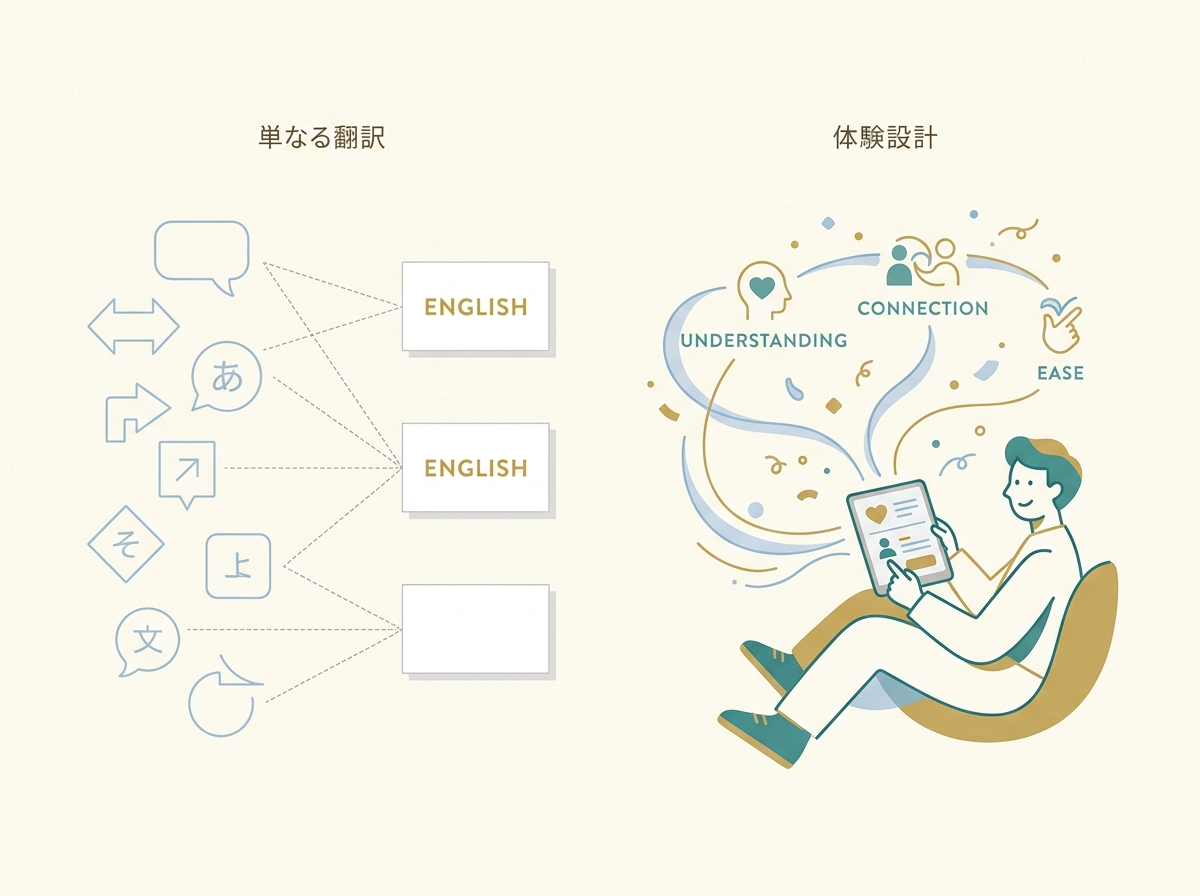
If you center your thinking on reducing friction, you won't get lost in excessive localization. Can the user reach what they want to do in the shortest path possible? This perspective applies equally whether you're building for domestic or international audiences.
SECTION 08
Your Infrastructure Is Already Global
Going international sounds like a major decision, but take a look at the stack you're already using. Vercel, Cloudflare, Next.js, RevenueCat — these are all services born in the English-speaking world, with English as their primary documentation language.
In other words, before you even gear up to "go global," your foundation is already sitting on international infrastructure. CDNs have edges worldwide, payment platforms support multiple currencies, and deployment environments let you choose regions. The technical barrier is lower than you think.
Most of the hurdles indie developers feel about going international are actually psychological, not technical:
- Vague anxiety about communicating in English
- The assumption that "going global is something only big companies do"
- Fear of wasting time if it fails
But what I've learned through trial and error is that the wall is one you're building yourself. Once you realize that, the hurdle starts to feel different.
Your infrastructure is already global. All that's left is to polish the front-facing side of your product. Once you decide to do it, don't go halfway — localize the UI, the store listing, and the screenshots all together. Start there, and you'll realize that going international is a natural extension of indie development, not a leap into the unknown.